

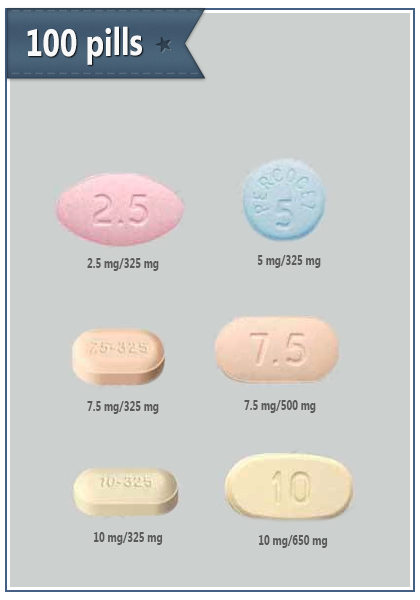
Percocet (Oxycodone and Acetaminophen) 100 pills per package
Price range: $59.86 through $225.09
price per 1 package
Percocet is the brand name of a drug that mixes oxycodone and acetaminophen. It is a painkiller that’s part of a family of drugs known as opioids, Percocet can help ease the pain following surgery or injuries.
Minimum order quantity is: 1 package
In this article, we will delve into the world of Percocet, a medication that has become increasingly well-known. In this article, we will delve into the world of Percocet, Percocet (Oxycodone and Acetaminophen) 100 pills per package has become increasingly well-known, not only among healthcare professionals but also for those seeking relief from pain. Percocet, a combination of oxycodone and acetaminophen, is commonly prescribed to manage pain. This 2000-word exploration will provide you with valuable insights into this medication, its uses, benefits, potential risks, and more.
Understanding Percocet
What is Percocet?
Percocet is a prescription medication that combines two active ingredients: oxycodone and acetaminophen. Oxycodone is a potent opioid, while acetaminophen is a milder pain reliever.
How does it work?
Percocet works by targeting the central nervous system, altering the perception of pain in the brain, and reducing discomfort in the body.
The Uses of Percocet
Pain Management
One of the primary applications of Percocet is the management of pain, especially for those who have undergone surgery or are experiencing severe discomfort due to injury or illness.
Chronic Conditions
In some cases, Percocet may be prescribed to individuals with chronic pain conditions, providing relief and improving their quality of life.
The Benefits
Effective Pain Relief
Percocet is known for its effectiveness in providing rapid and robust pain relief.
Quick Action
The combination of Oxycodone and Acetaminophen ensures a quick onset of pain relief, making it a popular choice for many.
The Potential Risks
Dependency
Oxycodone, being an opioid, carries the risk of dependency if not used as prescribed.
Side Effects
Common side effects of Percocet include drowsiness, constipation, and nausea.
Overdose
Taking too much Percocet can lead to an overdose, which can be life-threatening.
Safe Usage Guidelines
Follow Your Doctor’s Advice
Always take Percocet as prescribed by your healthcare provider. Do not increase the dosage without their approval.
Monitor Side Effects
Keep an eye out for any adverse side effects and report them to your doctor promptly.
Alternatives to Percocet
Non-Opioid Options
In some cases, non-opioid pain relief options may be considered to avoid the potential risks associated with opioids.
Physical Therapy
For certain conditions, physical therapy and other non-pharmacological approaches may be recommended.
Conclusion
In conclusion, Percocet, with its combination of oxycodone and acetaminophen, is a potent pain relief medication that can be highly effective when used responsibly. It is essential to weigh the benefits against the potential risks and explore alternatives when suitable. Always consult your healthcare provider for personalized advice on pain management.
Frequently Asked Questions (FAQs)
- Is Percocet an over-the-counter medication?
- No, Percocet is a prescription medication, and you should only take it under the guidance of a healthcare professional.
- Can I become addicted to Percocet if I use it for pain relief?
- There is a risk of dependency with Percocet, so it is crucial to use it as prescribed by your doctor.
- What are the common side effects of Percocet?
- Common side effects include drowsiness, constipation, and nausea.
- Are there any non-opioid alternatives for pain relief?
- Yes, there are non-opioid pain relief options that your doctor may recommend based on your specific condition.
- How can I ensure I am using Percocet safely?
- To use Percocet safely, follow your doctor’s guidance and promptly report any side effects or concerns.
This comprehensive article has provided you with a deep understanding of Percocet, its uses, benefits, and potential risks. Always remember that responsible usage, under medical supervision, is essential when considering this medication for pain management.
Related products

Painkillers

Painkillers
Painkillers

Painkillers
Painkillers
Painkillers