
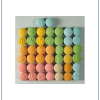

LSD (Lysergic Acid Diethylamide) 10 doses per package
Price range: $57.50 through $62.90
price per package
Lysergic acid diethylamide (LSD), also known as acid, is a psychedelic drug known for its psychological effects. This may include altered awareness of the surroundings, perceptions, and feelings, as well as sensations and images that seem real though they are not. It is used mainly as a recreational drug and for spiritual reasons.
The minimum order quantity is: 1 package
What is LSD?
LSD (Lysergic Acid Diethylamide) 10 doses per package, first synthesized in 1938, is an extremely potent hallucinogen. It is manufactured from lysergic acid, which is found in ergot, a fungus that grows on rye and other grains.
Effects of LSD Use
The effects of LSD are unpredictable. Usually, the first effects of the drug are felt 30 to 90 minutes after taking it. The user may experience extreme mood changes, feel several different emotions at once, or swing rapidly from one emotion to another. If taken in large enough doses, LSD (Lysergic Acid Diethylamide) (10 doses per package) produces delusions and visual hallucinations. The physical effects include dilated pupils; higher body temperature and sweating; nausea and loss of appetite; increased blood sugar, heart rate, and blood pressure; sleeplessness; dry mouth; and tremors.
The user may also suffer impaired depth and time perception, with a distorted perception of the size and shape of objects, movements, color, sound, touch, and their own body image. Sensations may seem to “cross over,” giving the feeling of hearing colors and seeing sounds. These changes can be frightening and cause panic. Some LSD users also experience severe, terrifying thoughts and feelings, fear of losing control, and fear of insanity and death.
An experience with LSD is referred to as a “trip” and acute adverse reactions as a “bad trip”. These experiences are long, with the effects of higher doses lasting for 10 to 12 hours.
Health Hazards
After an LSD trip, the user may suffer acute anxiety or depression and may also experience flashbacks, which are recurrences of the effects of LSD days or even months after taking the last dose. A flashback occurs suddenly, often without warning, usually in people who use hallucinogens chronically or have an underlying personality problem. Healthy people who use LSD occasionally may also have flashbacks. Bad trips and flashbacks are only part of the risks of LSD use. LSD users may also manifest relatively long-lasting psychoses, such as schizophrenia or severe depression.
LSD produces tolerance, so some users who take the drug repeatedly must take progressively higher doses to achieve the state of intoxication that they had previously achieved. This is an extremely dangerous practice, given the unpredictability of the drug.
Be the first to review “LSD (Lysergic Acid Diethylamide) 10 doses per package”
Related products
Research Chemicals

Research Chemicals
Research Chemicals
Research Chemicals

Research Chemicals
Research Chemicals

Research Chemicals
Research Chemicals
Reviews
There are no reviews yet.